
Utility-Scale and Distributed Solar Generation
Ground-mount, rooftop, and distributed generation for governments, utilities, & industrial operators
Solar generation reduces grid dependence, lowers operational energy costs, and provides a measurable path toward national and corporate carbon targets. Watts Matter designs and deploys solar systems scaled to the demands of the project — from large industrial rooftops to utility-scale ground-mount installations.
- Grid independence: Reduce exposure to supply disruption, price volatility, and grid instability.
- Scalable deployment: Ground-mount, rooftop, and car park configurations adaptable to any site and load requirement.
- Net Zero pathway: Clean generation combined with storage provides a credible route to carbon targets.
- Minimal operational overhead: Low maintenance requirements with remote monitoring integrated as standard.
Example utility-scale installations using Trina Solar panels
Fusion Trend Solar PV Park
Fusion Trend Solar PV Park
Fusion Trend Solar PV Park

Malaysia
33MW | 210mm Vertex Series | Vanguard-2P
Kohirā Solar Farm
Fusion Trend Solar PV Park
Fusion Trend Solar PV Park
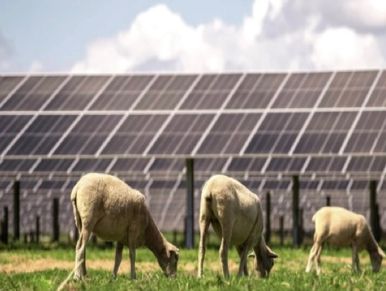
New Zealand
33MW | 210mm Vertex 550W | Vanguard-2P.
Solar Power Station
Fusion Trend Solar PV Park
Edgecumbe Solar Farm
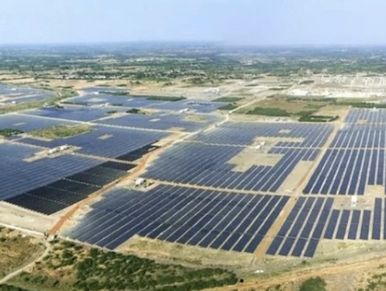
India
Capacity 648MW
Edgecumbe Solar Farm
Te Herenga o Te Rā Solar Farm
Edgecumbe Solar Farm
New Zealand
32MW | 210mm Vertex | Tracker
McCain Foods Solar Farm
Te Herenga o Te Rā Solar Farm
Te Herenga o Te Rā Solar Farm
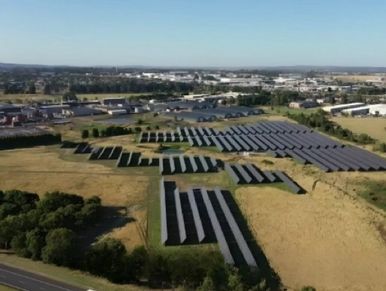
Australia
55MW | 210mm Vertex Bifacial | 5MW
Te Herenga o Te Rā Solar Farm
Te Herenga o Te Rā Solar Farm
Te Herenga o Te Rā Solar Farm
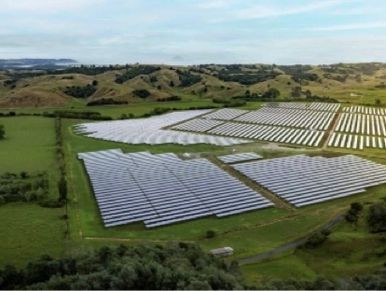
New Zealand
42MW|590W
Thermal Storage

Daily Thermal Storage
Store low-cost energy as heat and release it as process heat across the production day. Daily thermal storage displaces diesel, heavy fuel oil, gas, and coal, cutting fuel cost and emissions while insulating operations from fuel-price volatility and supply disruption.
Process Heat Capabilities
- Fuel Displacement: Replace diesel, HFO, LPG, and coal for industrial process heat with stored energy
- Dispatchable Heat: Hold energy and release it as steam, hot air, or hot gas on demand through the working cycle
- Cost Stability: Decouple operating cost from diesel and fuel-oil price swings
- Decarbonisation Pathway: Convert stored energy into industrial heat, a hard-to-abate emissions source
Seasonal Thermal Storage
Capture heat during high-generation periods and hold it for use through colder months and spells of low output. Seasonal thermal storage supplies a significant share of space heating and hot water for district heating networks, campuses, healthcare facilities, and large operations, reducing fossil fuel dependency and strengthening long-term energy resilience.
Heating Capabilities
- Seasonal Capture: Store surplus heat from peak generation periods and release it when demand is highest
- Space Heating & Hot Water: Deliver a large share of heating and hot water load for district networks, campuses, and facilities
- Fuel Reduction: Cut dependence on fossil fuels for building and process heating
Storage Batteries
Grid-Scale Energy Storage
Lithium-ion and flow battery systems store energy generated during peak production periods for use during high demand, overnight, or grid outage scenarios. Effective storage transforms intermittent renewable generation into a reliable, dispatchable power source.
Energy Storage Capabilities
- Peak Load Management: Store surplus energy and deploy it during high-cost or high-demand periods, reducing grid charges
- Grid Stabilisation: Smooth output fluctuations from renewable sources, improving power quality and grid compliance
- Surplus Energy Export: Sell excess stored power back to the grid, generating additional revenue from installed capacity
- Resilience & Continuity: Maintain operations during outages or periods of grid instability
- Net Zero Pathway: Combined solar and battery storage provides a credible, measurable route to carbon targets

Focused Resilience
Reliable Energy for Challenging Conditions
In some regions, the grid is unreliable. In others, it's at capacity or unable to accommodate additional renewable energy. And in many places, there's no grid at all.
Microgrids provide a practical, scalable solution — generating and managing power on-site, with or without a connection to the main grid. For operations where secure, continuous power is essential, a microgrid ensures energy is always available, efficient, and under your control.
Where Microgrids Are Essential
Remote or off-grid locations · Critical facilities requiring 24/7 power security · Emerging markets with unreliable grid infrastructure · Industrial campuses with high and variable energy demands
System Efficiencies Exceed 90%
The CHP Solution

The CHP Solution
Combined Heat & Power (CHP), or cogeneration, generates electricity and heat from a single fuel source, achieving over 90% efficiency. CHP systems are engineered for industrial and infrastructure applications where continuous, reliable energy is a requirement.
Why Choose CHP?
- Exceptional Efficiency: Over 90% total system efficiency
- Cost Reduction: Combines power and heat generation to significantly lower energy costs
- Environmental Performance: Cuts CO2 emissions by up to 50%
- Flexible & Reliable: On-site, adaptable power generation independent of grid conditions

Dual Engine Systems & Flexibility
Two-engine CHP systems ensure 24/7 power, with one engine running at full capacity and another for off-hours, ideal for refrigeration and storage needs.
Surplus Power to the Grid Operators can sell excess power back to the grid, generating additional revenue from installed capacity.
Modular & Tailored Solutions
- Modular Design: Configurable for electricity, hot water, steam, and cooling
- Remote Monitoring: Integrated tracking and performance management
- Compact & Durable: Portable, efficient, and straightforward to install